


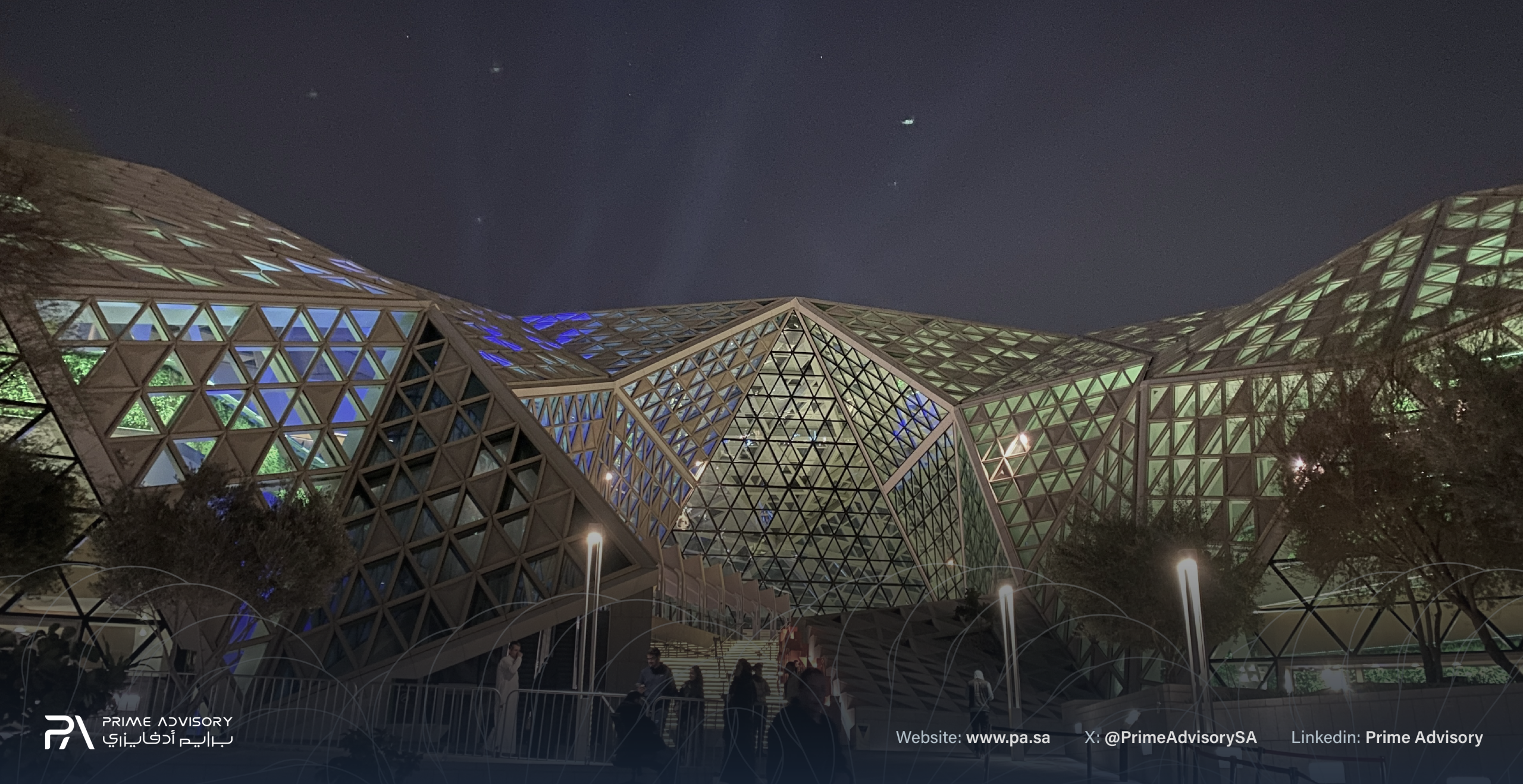
The real estate market landscape is entering a new phase. There is something admirable going on in Riyadh real estate supply trends. For years, demand dominated the conversation as population growth, economic diversification, and major government initiatives fueled the need for housing, office space, and commercial developments. In Q1 2026, 12,800 units were completed across Saudi Arabia with Riyadh capturing 44% of the units under construction. Currently, investors are paying close attention to another critical factor: supply.
Thousands of new residential units, office buildings, retail spaces, and mixed-use developments are entering the market. This growing inventory is reshaping investment opportunities across the Saudi capital. For investors, understanding the supply landscape has become just as important as tracking demand.
A Record Pipeline of New Developments
Riyadh continues to benefit from the ambitious goals of Vision 2030. Large-scale projects are accelerating construction activity across the city. Industry reports indicate that tens of thousands of residential units are expected to be delivered over the coming years, alongside significant additions to office and retail stock.
Major master-planned communities in North Riyadh and emerging districts are contributing to this growth. Developers are responding to rising demand from Saudi families, expatriate professionals, and international businesses seeking a presence in the Kingdom’s largest city. The result is a property market that is becoming larger, more diverse, and increasingly competitive.
Residential Supply Is Expanding Rapidly
The residential sector remains the largest contributor to new supply. Villas, townhouses, and apartment developments are being launched across multiple neighborhoods.
Areas such as Al Narjis, Al Yasmin, Al Malqa, and parts of East Riyadh continue to attract significant development activity. Government-backed housing initiatives have also encouraged private sector participation, leading to a broader range of housing options. For investors, increased supply presents both opportunities and challenges. While growing inventory can moderate price growth in some areas, it also creates opportunities to acquire properties in emerging locations before they mature.
Neighborhood selection is becoming more important than ever. Properties located near transport networks, schools, healthcare facilities, and employment hubs are likely to outperform the wider market.
Office Market Remains Strong
The office sector tells a different story. Riyadh’s emergence as a regional business hub continues to drive strong demand for high-quality office space. International firms establishing regional headquarters in Saudi Arabia have increased competition for premium office assets. While new office projects are being delivered, demand remains robust, particularly for Grade A buildings.
This dynamic has helped maintain healthy occupancy levels in many prime business districts. Investors targeting commercial real estate may continue to find attractive opportunities, especially in developments that cater to multinational corporations and growing local enterprises.
Retail and Mixed-Use Developments Gain Momentum
Consumer spending growth and population expansion are supporting retail real estate development across Riyadh. Rather than traditional standalone malls, many developers are now focusing on integrated mixed-use communities. These projects combine residential, retail, entertainment, and office components within a single destination.
This trend reflects changing consumer preferences. Residents increasingly value convenience and walkable environments where daily needs can be met close to home. For investors, mixed-use developments can provide diversified income streams and reduce reliance on a single property segment.
Infrastructure Is Driving Supply Growth
Infrastructure investment remains one of the most important factors supporting Riyadh’s real estate expansion. The Riyadh Metro, road upgrades, and new public amenities are improving connectivity across the city. Areas that were once considered peripheral are becoming more accessible and attractive to both residents and businesses.
As infrastructure improves, developers gain confidence to launch projects in new districts. Investors who identify locations benefiting from major infrastructure improvements may be well positioned to capture future appreciation.
What Real Estate Investors Should Expect in 2026
The Riyadh real estate market is unlikely to experience a supply glut across all sectors. Instead, conditions will vary by asset class and location.
Prime neighborhoods with strong amenities and transport links are expected to remain resilient. Secondary locations may face increased competition as new inventory enters the market.
Successful investors will focus on quality assets, tenant demand, and long-term market fundamentals rather than short-term price movements.
In sum…
Riyadh’s real estate supply landscape in 2026 reflects the city’s remarkable transformation. New housing communities, office developments, retail destinations, and infrastructure projects are creating a larger and more sophisticated property market.
For investors, this growing supply should not be viewed as a threat but as an opportunity. The key is understanding where new inventory is being delivered, which neighborhoods are benefiting from infrastructure investment, and how demand is evolving. Those who align their strategies with these trends will be better positioned to capitalize on the next stage of Riyadh’s real estate growth story.