


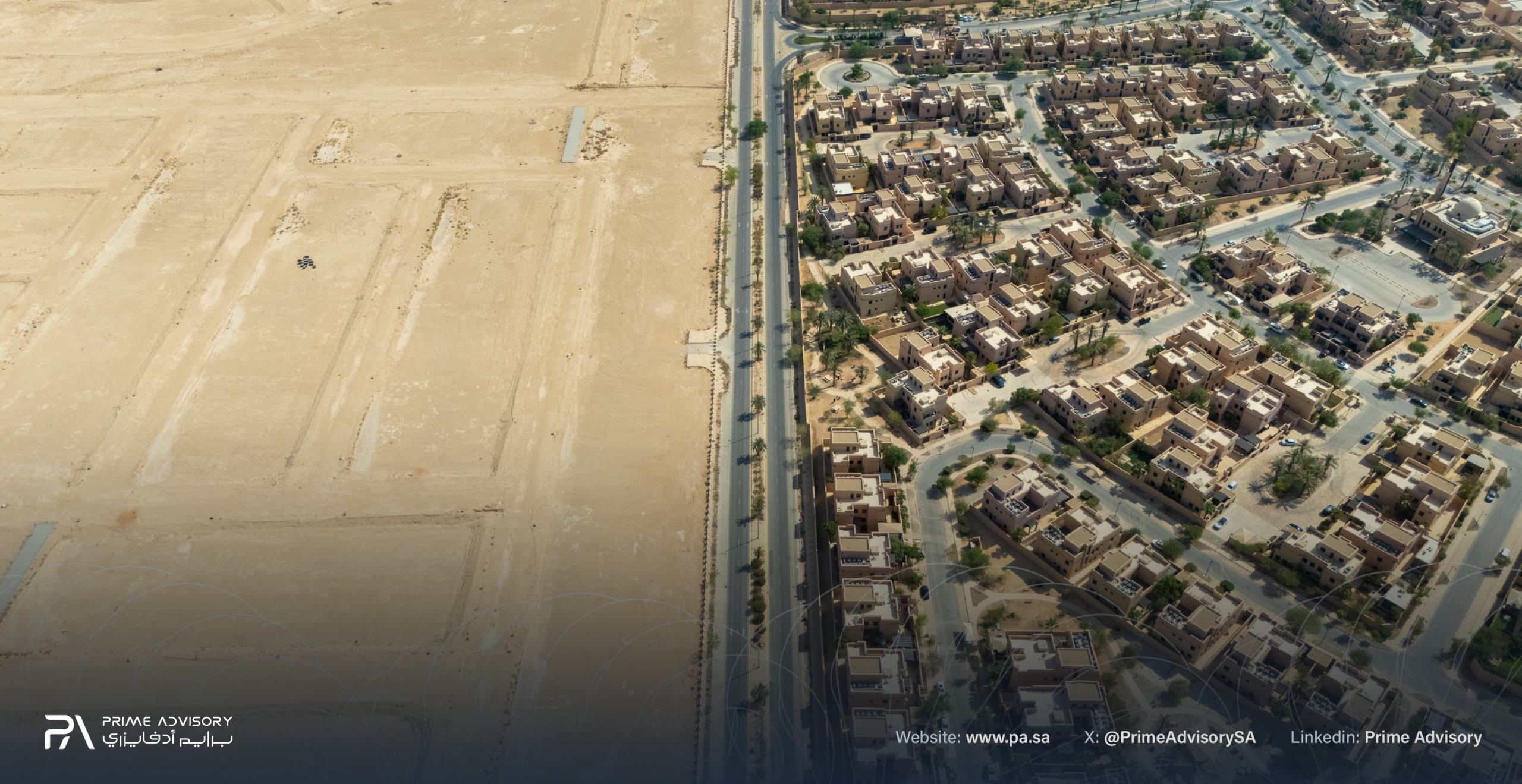
Saudi Arabia’s real estate market is entering a new phase. This time the spotlight is on the new regulations on fees for vacant property. The government is no longer focused only on undeveloped land. Empty buildings are now part of the conversation too.
In 2025, the kingdom approved major amendments to the White Land Tax system. The updated framework new includes annual fees on long vacant properties across selected urban areas. The move is designed to increase supply, improve market efficiency and support housing affordability under Vision 2030.
For investors, this is more than a regulatory update. It is a signal that Saudi Arabia wants a more active and productive property market. In simple terms keeping assets empty for years may soon become expensive.
What Has Changed with the introduction of vacant property Regulation
Previously, Saudi Arabia’s White Land Tax mainly targeted undeveloped urban land. Owners of large vacant plots paid annual fees to encourage development.
Now the scope is wider.
Under the new regulations, vacant residential and commercial properties can also face annual fees if they remain unused for extended periods. The executive regulations approved in define vacant property as those left unused for six months within a reference year whether continuously or intermittently.
The annual fee can reach up to 5% of the vacant property’s value. In some cases, it may increase to 10% based on recommendations from the ministerial committee. That is a serious number. Suddenly, an empty tower is not just quiet, it is expensive too.
Why Is Saudi Arabia Introducing These Fees?
The main goal is clear. Increase supply.
Saudi cities, especially Riyadh continue to experience strong population growth and rising housing demand. At the same time thousands of residential and commercial units remain unused.
The government wants those vacant properties back in circulation.
According to the ministry of Municipalities and Housing, the regulations aim to improve the efficiency of real estate assets, reduce market imbalances and support healthier supply and demand dynamics.
This also aligns with broader housing objectives. Saudi Arabia has been aggressively pushing homeownership targets while expanding urban infrastructure and mega projects. An empty property in a high demand district no longer fits the national strategy.
The White Land Tax Is Also Becoming Stronger.
The vacant property rules are arriving alongside major changes to the White Land Tax itself.
Saudi Arabia has approved amendments to its White Land Tax Law, raising the annual levy on undeveloped land from 2.5% to 10% of value. The law now applies to landholdings of 5,000 square meters or more within designated urban zones.
You may read: Mix-Use Property in Riyadh
What Does This Mean For Investors?
For long term investors the new regulations may create fresh opportunities. More property owners could choose to lease, develop or sell vacant assets instead of paying recurring fees increasing market supply and liquidity.
The changes also improve market transparency which may attract international investors. At the same time holding vacant properties is becoming more costly especially in major cities where demand and affordability pressures remain high. Notably, Saudi Arabia still does not apply a traditional annual tax on occupied residential homes.
Final Word: A Market Moving Toward Maturity
Saudi Arabia’s property market is evolving quickly. The introduction of vacant property fees marks another step toward a more structured and efficient real estate sector.
For investors, the message is not negative, it is strategic.
The Kingdom wants active capital, productive assets and livable cities. Developers and property owners who adapt early may benefit from stronger long-term developers and property owners who adapt early may benefit from stronger long-term demand and a healthier market environment.
And for those still holding empty buildings while “thinking about future plans” the future may now come with an annual invoice.