


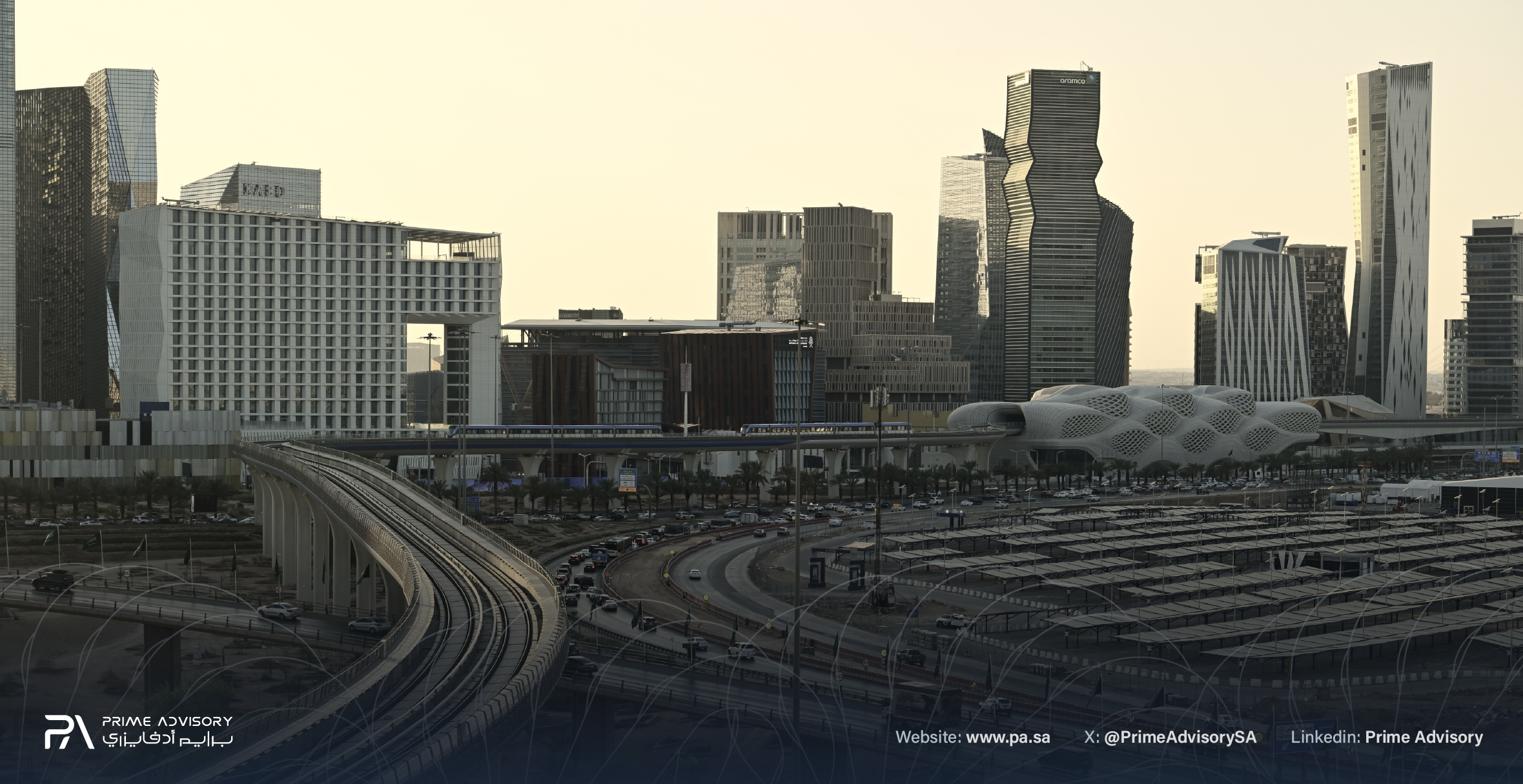
Even after the 5-year rent-freeze, the conversation about apartment prices and the cost of living in North Riyadh continues. Many people struggle with the question: Is North Riyadh overpriced? Every city has its most sought-after neighborhoods that define the heights of luxury. It happens that in Saudi’s capital; it is North Riyadh. If you’re in a financial survival mode, you may not like the real estate prices this article is about to discuss. For years, North Riyadh has been the darling of Saudi Arabia’s real estate market. Homebuyers, investors, and developers have poured billions into districts such as Al Malqa, Al Yasmin, Al Aqiq, and Hittin. Property prices have climbed steadily, driven by strong demand, infrastructure expansion, and Riyadh’s ambitious growth plans.
Meanwhile, those looking for investment opportunities will find North Riyadh suitable for capital deployment. Before you jump into conclusions, let’s look at why landlords have greater pricing power in North Riyadh and other prime areas in the city.
Apartment Prices in North Riyadh
Average apartment prices in North Riyadh in the early 2026 were between SAR 9000 and SAR 15000. Prime districts commanded higher prices. In Al Malqa, a 120 sqm family apartment costs between SAR 1.2 and SAR 1.8 million. If the apartment is fully furnished, the price will increase by up to 25%. Notably, the vacancy rates remain below 7% giving landlords the pricing power.
Compared to East Riyadh districts such as Al Yarmuk where average apartment price per sqm is between SAR 5,000 and 7,500, you can begin to see the difference.
Is North Riyadh Overpriced? A Closer Look at the real estate Market in 2026
The answer is not as straightforward as many investors think.
North Riyadh’s growth did not happen by accident. The area has benefited from years of government investment and private-sector development. The expansion of major roads, the Riyadh Metro, new business districts, and high-end residential projects transformed the northern districts into some of the most desirable locations in the Kingdom.
Many professionals working in financial, technology, and government sectors prefer living in the north because of its modern infrastructure and proximity to key business hubs. This strong demand has pushed both land and property values higher.
In some neighborhoods, residential land prices have more than doubled over the past decade. Villas and apartments have also experienced significant appreciation.
Signs That the Market May Be Overheated
Despite the area’s attractiveness, some indicators suggest that prices may be running ahead of fundamentals.
One concern is affordability. Property values in several northern districts have risen faster than household incomes. This has reduced the pool of potential buyers, particularly among first-time homeowners.
Another factor is increasing supply. Large-scale developments continue to add new housing units to the market. While demand remains strong, a growing inventory could eventually place pressure on prices, especially in segments where supply outpaces absorption.
Investors should also consider rental yields. In some premium neighborhoods, property prices have increased much faster than rental rates. As a result, yields have compressed, making it harder for investors to generate attractive cash flow. When prices rise faster than rental income, questions about sustainability naturally emerge.
Why Prices Could Still Have Room to Grow
Calling North Riyadh overpriced may be premature. Riyadh is in the middle of one of the largest urban transformation programs in the world. The Kingdom aims to increase the city’s population significantly over the coming years, attracting both local and international talent.
Mega-projects, corporate relocations, and foreign investment continue to support housing demand. The government’s regional headquarters program has already encouraged many multinational companies to establish a stronger presence in Riyadh.
These long-term drivers create a strong foundation for property values, particularly in well-located northern districts.
In addition, premium areas tend to maintain demand even during periods of market adjustment. Buyers often place a premium on quality infrastructure, reputable schools, and access to major employment centers.
Where Investors Should Be Cautious
Not all parts of North Riyadh offer the same investment potential. Some neighborhoods have seen rapid speculative buying, pushing prices beyond what rental returns can justify. Investors entering these locations may face slower capital appreciation in the future.
The key is to focus on value rather than prestige.
Properties near transportation links, commercial centers, and emerging growth corridors may offer better long-term returns than assets purchased solely because they are located in a fashionable district.
Investors should also compare rental demand, vacancy levels, and future supply pipelines before making decisions. A high purchase price does not automatically translate into a high-performing investment.
Read also: F&B Emerging Trends in Riyadh 2026: What Investors and Operators Need to Know
In sum…
So, is North Riyadh overpriced?
In certain pockets, prices appear stretched and may be difficult to justify based on rental income alone. However, describing the entire northern market as overpriced would oversimplify a complex situation.
North Riyadh remains one of the Kingdom’s strongest real estate markets, supported by economic growth, population expansion, and Vision 2030 initiatives. The challenge for investors is no longer finding opportunities in the north. It is identifying which neighborhoods still offer genuine value.
The smartest investors in 2026 will look beyond headline prices and focus on fundamentals. Those who buy strategically, rather than emotionally, are likely to benefit from Riyadh’s continuing transformation while avoiding the risks associated with overpaying in a rapidly evolving market.