


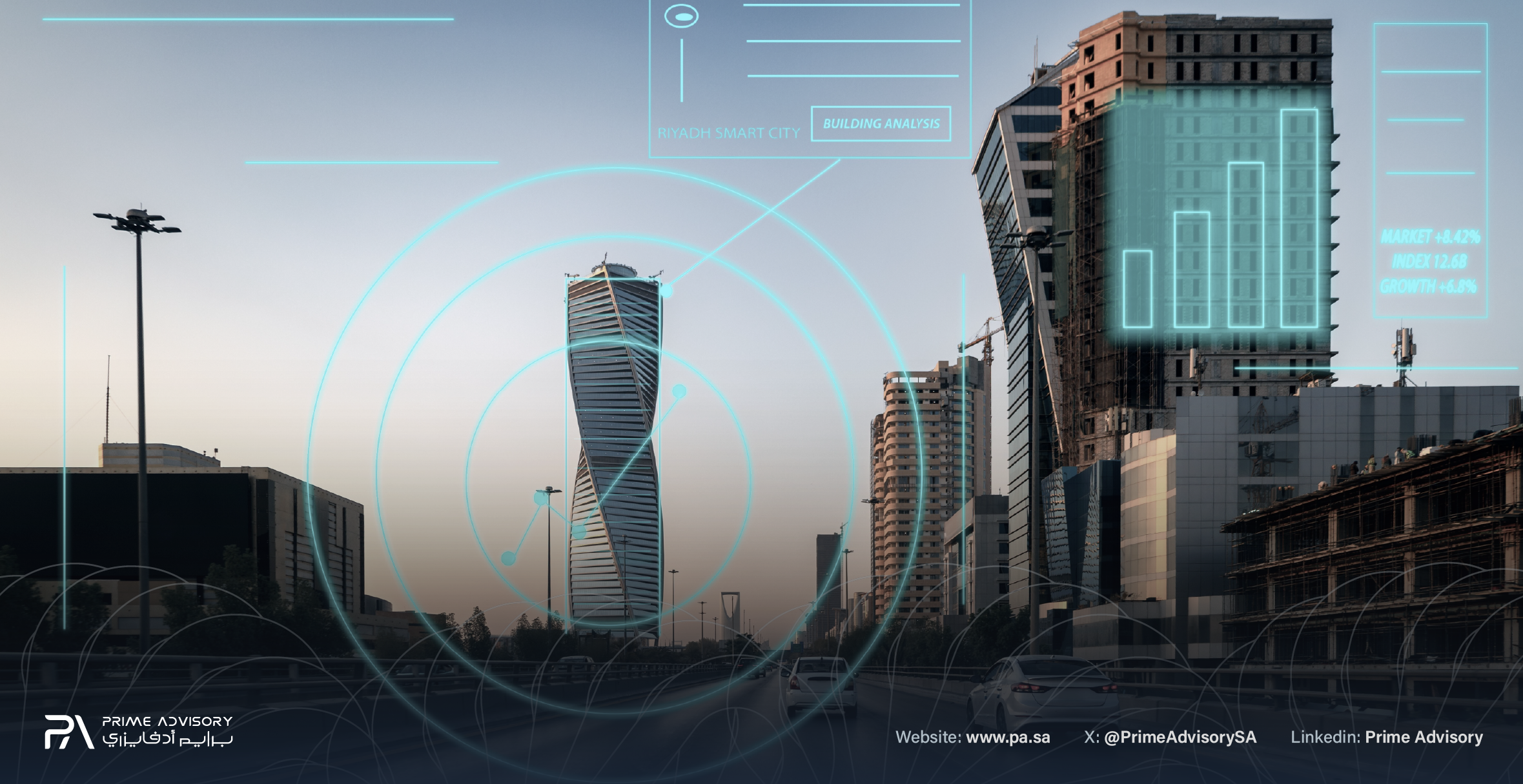
You probably wonder why listings with 3D virtual walkthrough close 31% faster and sell 9% more in the market. Perhaps, what you missed is the proptech trends in Riyadh’s real estate that is keenly tilting the scales in the sector. Prime Advisory puts proptech growth progress toward maturity at a CAGR 16.09% between 2026 and 2032. Riyadh took an earlier lead as the proptech adoption hub at 28% as market players demonstrate preferability for scalable systems and cost-efficiency. A little into the global proptech market shows that it will grow from $44.59 in 2026 to $104.57 by 2034. Given the statistics, property managers and executives cannot assume the value of proptech in their asset strategy and long-term planning.
Here, let’s look at the proptech trends in Riyadh’s real estate…
Proptech Trends in Riyadh’s Real Estate
Riyadh is undergoing a foundational shift in how real estate assets are designed, evaluated, and managed. Driven by Vision 2030 initiatives, institutional developers and private investors are moving away from traditional, paper-heavy deal-making toward integrated property technology. High-volume residential expansions in the capital, alongside rising corporate demand, have made digital solutions essential for operational efficiency, risk mitigation, and scalable portfolio growth.
Proptech Deployment Architecture
Institutional Level: AI Valuation & Predictive Market Analytics
Operations Level: IoT Facility Automation & Smart Management
Transaction Level: Regulated Digital Leasing & Blockchain Registries
AI Valuations and Predictive Market Intelligence
Traditional property appraisals in the local market often suffered from information asymmetry and delayed reporting. Advanced valuation tools powered by machine learning are bridging this gap by analyzing historical transaction records, land registries, and neighborhood development trends.
Automated Valuation Models (AVMs) now deliver dynamic market estimates that allow institutional investors to run real-time risk profiles. Predictive algorithms assist master developers in forecasting occupancy rates and identifying optimal exit windows in fast-moving northern corridors. By converting vast urban data into actionable signals, financial institutions reduce underwriting timelines while maintaining high pricing accuracy.
Automated Leasing and Regulated Transaction Platforms
Administrative tasks in commercial and residential management are rapidly shifting toward cloud-based portals. Government-backed digital systems like the Ejar platform have standardized lease structures, created clear enforcement pathways, and streamlined rent collections.
Institutional landlords now integrate enterprise software directly with local banking infrastructure, enabling automated rent processing and lease compliance monitoring. Digital asset registries, including national blockchain registries, are reducing transaction friction and ensuring transparent ownership transfers for local and non-Saudi buyers alike. This heightened transparency reduces deal cycles, preserves operating yields, and minimizes tenant turnover costs.
Smart Facilities Management and IoT Integration
As high-density mixed-use developments expand across Riyadh, operational overhead presents a direct challenge to net operating income. Property developers are embedding Internet of Things (IoT) sensors and smart building management systems throughout new commercial towers and residential complexes.
Predictive Maintenance: IoT monitoring detects HVAC inefficiencies and structural defects before major disruptions occur, significantly curbing capital expenditure.
Resource Optimization: Automated power and water tracking aligns asset performance with national green building and energy reduction standards.
Tenant Experience Apps: Integrated mobile platforms allow occupiers to manage digital access control, schedule maintenance calls, and pay utility bills seamlessly.
These smart building frameworks preserve asset values over long horizons while appealing to ESG-conscious corporate occupiers seeking premier office footprint in the capital.
In sum…
Property technology has evolved from a secondary operational feature into a core investment driver across Saudi Arabia’s capital. The integration of regulatory digital frameworks, artificial intelligence, and smart building infrastructure creates a transparent, efficient market environment. Investors and developers who embed these digital tools early will protect operational margins, secure higher tenant retention, and position their portfolios to capture the long-term capital growth shaping Riyadh’s real estate sector.