


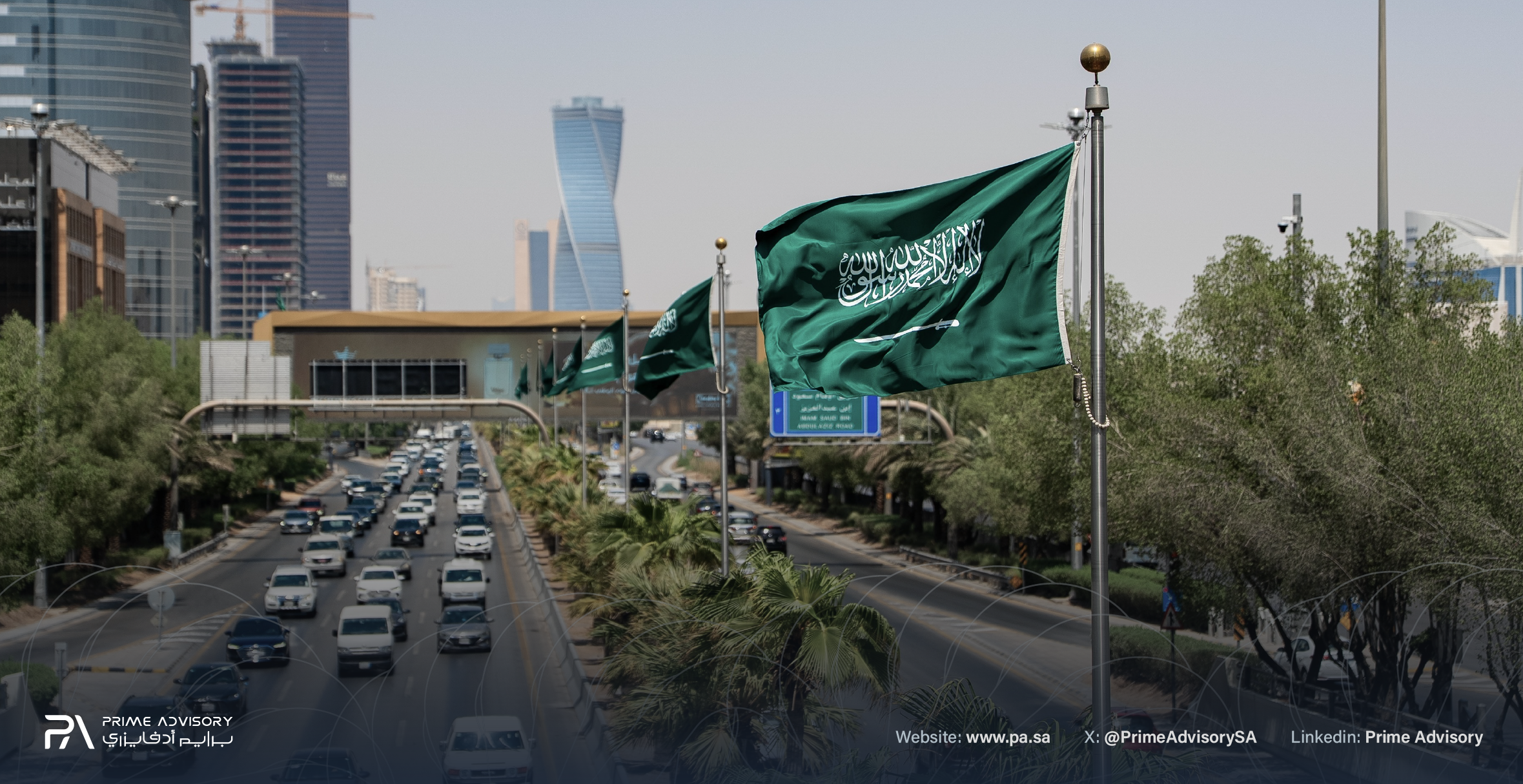
Riyadh’s real estate market is entering a new phase in 2026. One major concern is the real estate market balance in Riyadh 2026 as a new chapter for investors opens in the Kingdom’s fastest growing sector. After years of rising prices and strong rental demand, the focus is shifting towards a more balanced market that supports investment while improving affordability for residents. Government reforms, land development policies and new ownership regulations are reshaping the sector. For local and international investors, opportunities remain but success increasingly depends on choosing the right asset rather than simply following the market.
Property Prices Signal a Changing Market
Saudi Arabia’s real estate market is showing different trends across residential and commercial segments. According to the General Authority for Statistics (GASTAT) the national Real Estate Price Index increased by 1.3% year-on-year in Q2 2026, following a period of adjustment earlier in the year. This national figure provides useful context but investors should also examine Riyadh’s individual districts and property categories before making investment decisions.
For example, GASTAT’s Q2 2026 data showed that real estate prices in the Riyadh Region increased by 4.2% year-on-year. A property valued at SAR 1 million a year earlier would therefore have an illustrative value of SAR 1.042 million, highlighting how moderate price growth can affect investment returns.
Rental Regulations Reshape Investment Returns
One of Riyadh’s most significant regulatory developments is the five-year freeze on annual rent increases. Effective September 25, 2025 the measure covers residential and commercial properties within the city’s urban boundaries. For previously rented vacant properties the rent is generally linked to the last registered Ejar contract. Properties being rented for the first time remain subject to an agreed rental value.
For investors, this changes how rental income should be forecast. Stable occupancy remains important, but future returns must also account for regulatory requirements. Landlords can no longer assume that rents will rise annually simply because demand is strong.
White Land Fees Encourage Development
Increasing the supply of developed land is a government priority. The Ministry of Municipalities and Housing has introduced fees to encourage landowners to develop eligible vacant plots.
In Riyadh, the first invoices under the White Land and Vacant Properties Fees Programme began on January 1,2026. Annual fees range from 2.5% to 10% of land value, depending on development priorities and apply to eligible plots exceeding 5,000 square metres in designated areas.
The policy could increase land availability and create opportunities for developers. However, profitability still depends on location, construction costs and buyer affordability.
Foreign Ownership Expands Investment Potential
Saudi Arabia’s Real Estate Ownership System for Non-Saudi Nationals entered into force on January 22, 2026. Eligible non-saudi individuals, companies and other entities can apply through the official Saudi properties portal, subject to applicable regulations and geographic restrictions.
The reform creates additional channels for international participation in the Kingdom’s property market. However, investors must confirm their eligibility and the rules applicable to their intended location before committing capital.
What Investors Should Watch Next
Riyadh continues to benefit from infrastructure investment, economic diversification, population growth and Vision 2030. A balanced market, however, requires careful asset selection based on rent potential, affordability and tenant demand.
Investors should monitor transaction data, housing supply, regulations and land development. The strongest opportunity may be the asset that offers sustainable returns under realistic market conditions.
Final Word
Riyadh’s real estate market in 2026 is becoming more regulated and increasingly data-driven. Rental controls, land development fees and foreign ownership reforms are changing the investment landscape. Long-term opportunities remain but disciplined research and realistic financial planning are essential. In a changing market, doing the homework before buying may be the most valuable property feature of all.