


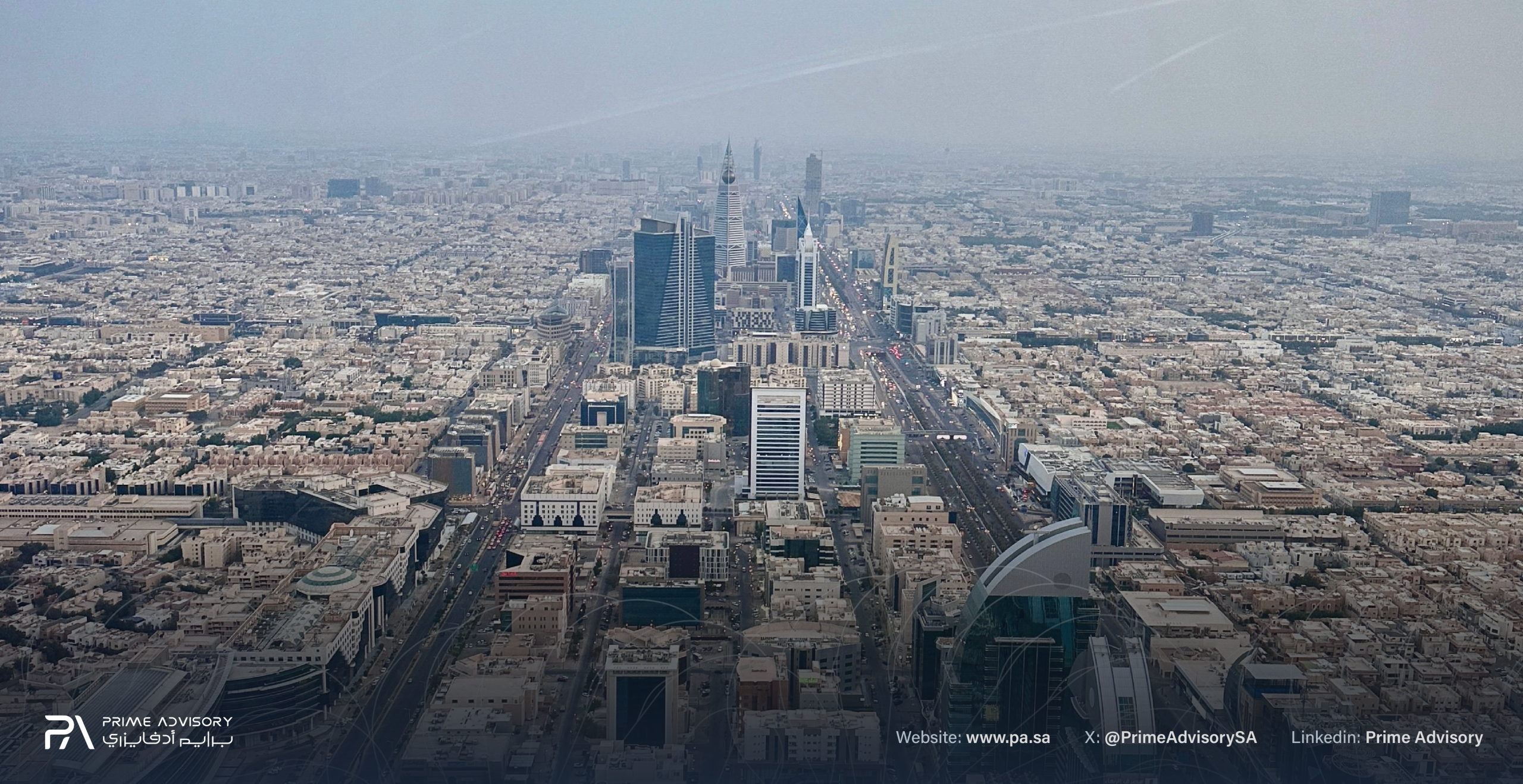
At the inception of Vision 2030, housing was set as an important pillar of social and economic transformation with a target of 70% in Saudi Arabia. However, the real estate dynamics present a different picture necessitating effort for rent stabilization and cost of living in Riyadh 2026. With a five-year rent-freeze policy, the real estate market continues to take correction. In Q1, 2026 the residential sector recorded a 3.6% annual decline in prices. This change is also reflected in the 6.2% increase in the prices of villas.
On the other hand, residential land prices increased by 1.7% resulting in a 1.6% increase in the prices of apartments. These changes are indicative of a shift from local norms to a global benchmark and robust transactional activities as the key determinants of demand and supply of housing in Riyadh.
Here, let’s look at the interventions to stabilize rents and their impacts on the cost of living…
Rent Stabilization and Cost of Living in Riyadh 2026: Reshaping Real Estate Investment
Riyadh’s real estate market entered 2026 with a rare policy shift. After years of rapid rent increases and rising living costs, the Saudi government stepped in with decisive measures to stabilize the sector. For investors, this is not just regulation. It is a structural reset.
Rental growth had reached unsustainable levels. In some districts, rents surged by up to 40% before intervention. The response was bold. A five-year rent freeze, combined with stricter contract regulation and digital oversight, now defines the investment landscape in the capital.
This article breaks down how these measures are shaping cost of living and what they mean for real estate investors in 2026.
The Five-Year Rent Freeze: A Core Stabilization Policy
The most impactful reform is the government-imposed rent freeze introduced in September 2025. It applies to both residential and commercial properties across Riyadh.
Landlords cannot increase rent on existing or new contracts until 2030. This applies to all leases within the city’s urban boundary. The policy goes further. Previously leased vacant properties must follow the last registered rent value. New properties can set initial rent freely, but that price is then fixed for five years. This creates immediate price stability. It also removes speculative rent inflation from the market. For investors, this means predictable cash flow. However, it also limits short-term rental growth potential.
Digital Regulation and Contract Transparency
The government has strengthened enforcement through the Ejar platform. All rental contracts must now be registered digitally. This system ensures transparency and legal clarity. It reduces disputes and improves compliance across the market. Automatic lease renewal is another key feature. Contracts renew unless either party gives notice. In Riyadh, landlords cannot refuse renewal without valid legal reasons.
These rules reduce vacancy risk. They also increase tenant security, which directly supports stable occupancy rates. For investors, this translates into more reliable long-term income streams.
Protecting Tenants and Controlling Cost of Living
The rent freeze is part of a broader cost of living strategy. Authorities also introduced a statutory notice period that requires landlords to provide tenants with a minimum of 365 days’ notice before lease expiry. These policies aim to restore balance between supply and affordability while improving predictability and tenure certainty. In practical terms, renters now face fixed housing costs until 2030. This is significant in a city where demand continues to grow due to economic expansion and population inflows.
Average rents in 2026 reflect this stabilization. Entry-level units remain relatively accessible, while premium areas still command higher prices but without further escalation. For businesses, especially in commercial real estate, predictable rent reduces operational uncertainty. This supports long-term planning and investment decisions.
Supply-Side Measures Supporting Market Balance
Rent control alone cannot stabilize a market. Saudi Arabia has paired it with supply-side initiatives. The government is accelerating housing development through programs like the Real Estate Balance Platform and expanded mortgage support.
These initiatives aim to increase housing stock and reduce pressure on prices over time.
At the same time, regulatory oversight from the Real Estate General Authority ensures ongoing monitoring of rental trends and compliance. This dual approach signals a long-term commitment to sustainable market growth rather than short-term fixes.
Stability Over Speculation
For real estate investors, Riyadh in 2026 offers a different value proposition. On one hand, rental income growth is capped. This may reduce appeal for short-term speculative investors.
On the other hand, stability is significantly enhanced. Rental yields remain strong, averaging between 8.5 and 9.5 percent in recent reports. Predictable pricing improves financial modeling. Lower volatility reduces risk. High occupancy levels continue to support consistent returns.
This environment favors long-term investors, institutional players, and income-focused portfolios.
Sum…
Riyadh’s rent stabilization measures mark a turning point. The government has shifted the focus from rapid growth to sustainable expansion. For investors, the message is clear. The era of unpredictable rent spikes is over. In its place is a regulated, transparent, and stable market.
This does not reduce opportunity. It redefines it. The real question is no longer how fast rents can rise. It is how smartly investors can position themselves in a market built for long-term resilience.
Those who adapt early will not just survive this transition. They will lead it.