


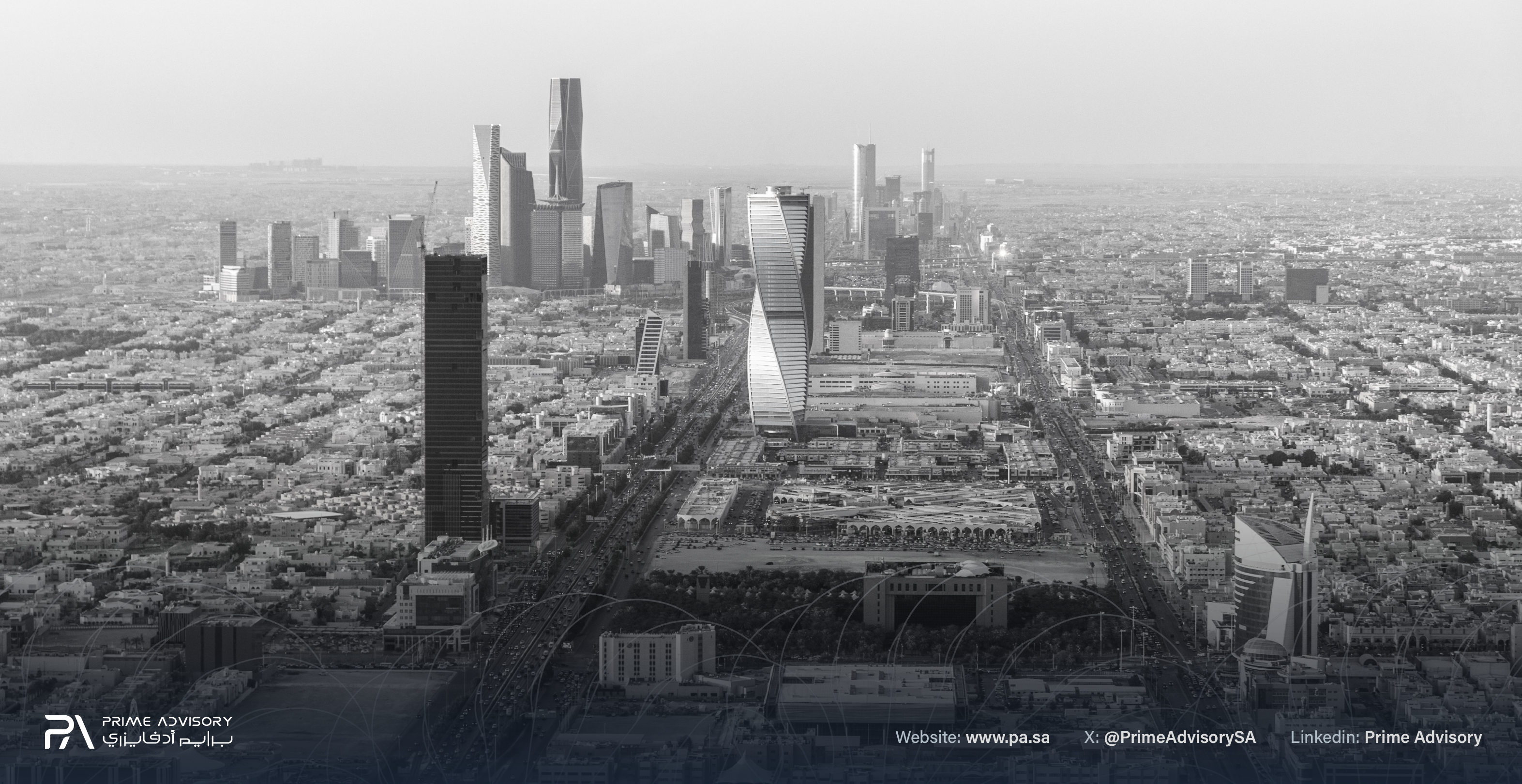
Middle East challenges emerging from the conflict between Iran and the US triggered fears over possible decline in real estate. However, Riyadh’s office market report Q2, 2026 report shows growth and resilience. If you’ve tried to lease premium office space in Riyadh recently, you probably know it is easier to find a premier parking spot at the airport during Eid than a vacant Grade A desk. According to the current office market report Q2 2026, the capital’s commercial real estate sector is not just growing, it is positively sprinting. Strong occupier demand is expected to persist in the foreseeable future owing to the continued economic and regulatory transformation.
Driven by aggressive economic diversification under Saudi Vision 2030, Riyadh has transformed into the undisputed corporate magnet of the Middle East. Let’s look at Riyadh’s office market trends as we close the second quarter.
The RHQ Gold Rush: Multinationals Pack Their Bags
What is fueling this massive real estate squeeze? Look no further than the Kingdom’s Regional Headquarters (RHQ) program. Saudi Arabia initially set a target to attract 500 multinational headquarters by 2030. Fast forward to mid-2026, and that target has been thoroughly crushed.
Over 700 global companies have officially established their regional headquarters in the capital. Major players are moving in droves, with American and European firms dominating the leasing inquiries. In fact, market data shows that a staggering 80% of recent international inquiries originated from U.S. firms eager to anchor themselves in the Gulf’s largest economy. It turns out corporate FOMO is a highly effective driver of relocation.
High Occupancy and Rent Peaks in Riyadh Office Market
If you are a landlord in Riyadh, you are likely reading these reports with a massive smile on your face. For tenants, however, it is time to stretch those budgeting muscles. The Q2 2026 data highlight an incredibly tight market:
Occupancy Rates: Grade A office occupancy is hovering at a near-frictionless 98%, with city-wide vacancy sitting at a mere 1.3%. If you want prime King Abdullah Financial District (KAFD) space, the vacancy drops to an eye-watering 0.5%.
Prime Rental Rates: Prime office rents in premium zones have reached up to SAR 3,630 per square meter per year.
Grade A Averages: Average Grade A rents are holding firm at approximately SAR 2,750 to SAR 2,770 per square meter, representing steady year-on-year growth.
With prime office market spots practically sold out before the concrete even dries, Grade B spaces are experiencing a massive glow-up. Displaced tenants are moving down the quality curve, driving up secondary market rents by double digits.
Regulatory Relief and the Future Supply Pipeline
Thankfully, the government has stepped in to ensure Riyadh’s growth does not completely price out emerging players. The recently enacted five-year commercial rent stabilization policy is proving to be a masterstroke. It has introduced predictability into the market, giving global tenants a much-needed breather to forecast their operational costs without worrying about sudden, astronomical rent hikes.
Read also: Riyadh Office market Report Q1, 2026
Furthermore, supply relief is on the horizon for those tired of bidding wars. Over 570,000 square meters of premium Grade A space is currently in the pipeline, scheduled for delivery from late 2026 onward. Highly anticipated projects like Diriyah Gate, Prince Mohammed bin Salman Nonprofit City (Misk), and expansion phases in KAFD will gradually relieve the supply bottleneck and offer occupiers broader options.
Navigating Riyadh’s Real Estate Future
Riyadh’s Q2 2026 office market report is a vivid testament to a transforming economy. With record-breaking occupancy, a massive pipeline of upcoming trophy assets, and newly updated foreign ownership laws, the capital’s commercial real estate is the place to be. However, waiting until the new supply drops in late 2026 might mean missing out on the best pre-leasing windows available today.