


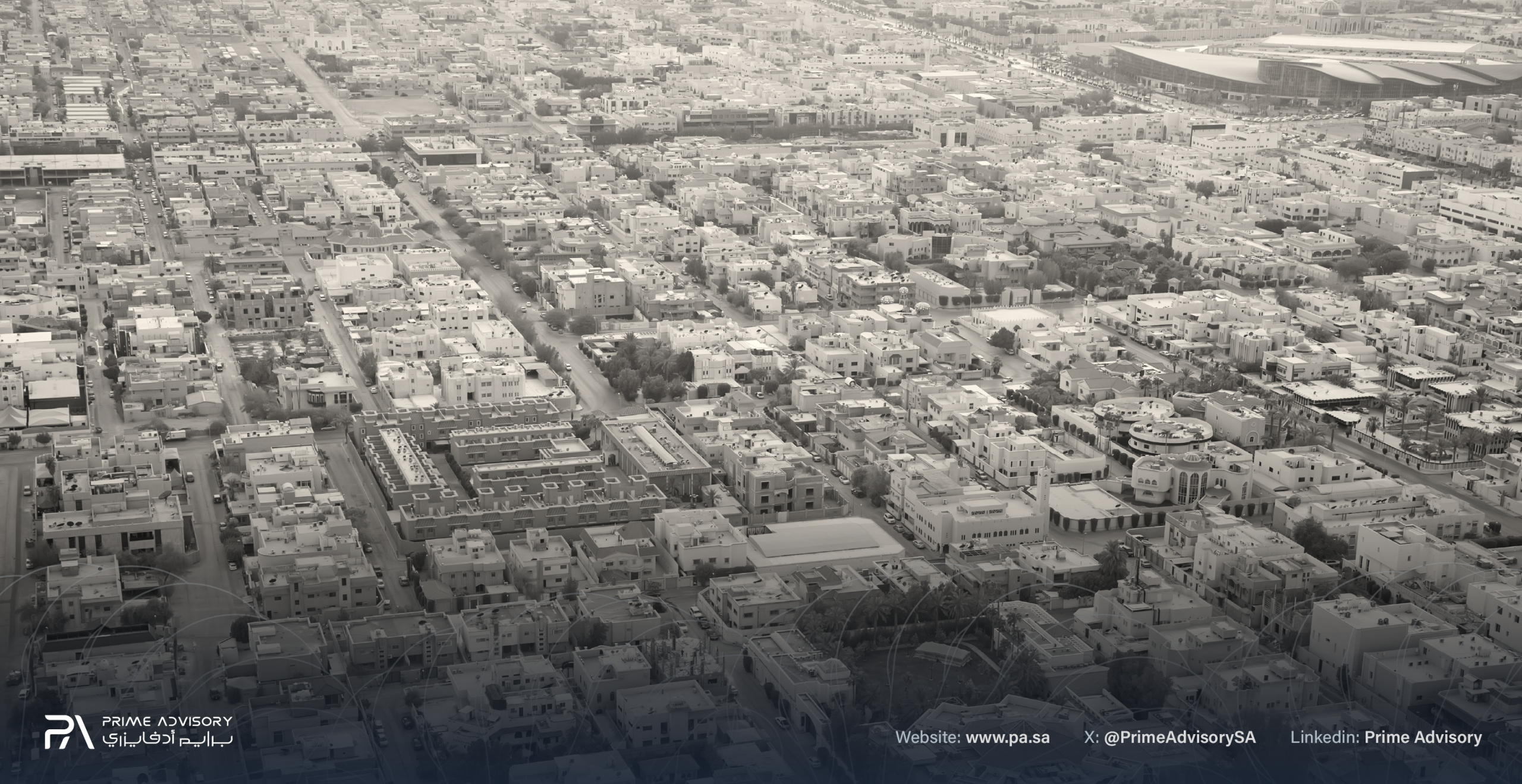
The current real estate growth can be best expressed in the language of numbers. Riyadh’s residential supply pipeline is estimated to reach 1.6 million new houses by 2028. The residential stock in Riyadh is 2.0 million units. About 60,000-70,000 new units are scheduled for delivery for the year 2026/2027 in Riyadh’s apartments, villas, and masterplans. If the numbers continue as they are, the forecasted 3.3+ million units by 2030 will be a reality.
The new pipeline has triggered a necessary debate regarding its impact on the real estate market. Here, let’s look at how this impacts the residential industry…
Sources of the New Rental Supply in Riyadh 2026
Most of the 2026‑era supply is concentrated in large, planned communities and growth corridors rather than scattered small projects:
NHC & ROSHN integrated communities (north and east Riyadh)
Projects like Sedra and several NHC “suburbs” are delivering thousands of units in phases.
These are primarily mid‑market and affordable products aimed at Saudi families under the Housing Program.
Khuzam / Khuzam Hills corridor (north Riyadh)
Tilal Khuzam (Khuzam Hills): Approximately 3,500‑home project with the first phase targeted around 2026.
Additional integrated projects such as Noor Khuzam deepen the supply pipeline in this corridor.
NHC’s Projects (Saraya Al‑Jawan and peers)
Roughly tens of thousands of units under construction across 20+ projects in Riyadh, with completions spilling into 2025–2027.
Mix of villas, townhouses, and apartments; heavy presence in the north and east belts of the city.
New vertical/high‑rise supply
Sakani has started pushing residential towers in Riyadh (the Makanah tower), adding high‑rise stock in prime locations.
This means denser unit counts per plot in key central or semi‑central zones, not just horizontal suburbs.
Districts linked to mega‑projects Increasing the New Pipeline
Diriyah, New Murabba, King Salman Park District, Sports Boulevard, Qiddiya will not all dump huge residential volumes in 2026 itself, but they:
– Start to release early phases and enabling infrastructure, and
– Shift demand corridors and investor focus toward those zones, which affects how easily 2026 supply is absorbed.
The heaviest near‑term supply pressure is in north and east Riyadh, particularly around integrated communities and mega‑corridors.
Also read: Best family-friendly neighborhoods in Riyadh
Effect of the Pipeline on Occupancy and Demand Balance
Demand remains structurally strong due to Saudi and expatriate population growth, plus the concentration of jobs in Riyadh, continues to drive underlying housing demand.
Housing‑sector forums estimate around 1.3 million new homes needed nationwide by 2030, with Riyadh taking a large share. Affordable housing is expected to account for about half of new homes by 2030. This is the exact segment where many 2026 projects sit.
Occupancy implications
Current data shows high occupancy and tight vacancy going into 2026, even after heavy deliveries in 2024–2025. Notably, adding approximately 60k–70k units in 2026–2027 on a base of about 2 million units is meaningful but not enough to flip the market into a true oversupply.
Because a big portion of supply is tied to NHC contracts and pre‑sales, much of the residential supply pipeline is pre‑absorbed or quickly taken up as it completes.
The overall effect is that occupancy rates are likely to remain high, especially in well‑located, well‑planned communities. The extra residential supply pipeline should ease extreme tightness rather than create widespread empty units.
Effects of new Residential Supply on Rents
With thousands of new units, especially apartments and mid‑income villas, market commentary points toward rental stabilization. This will be characterized by slowing rent increases, and potentially flat rents in some segments. Landlords of older stock in highly competitive areas may need to offer incentives, upgrades, or more realistic rents to avoid prolonged vacancy.
Micro‑market differences are also expected to feature. High‑supply corridors such as north/east Riyadh, and around big communities are likely to face considerable pressure on the need for rent reduction. As the residential supply pipeline continues, tenants gain stronger negotiating power.
You can expect more options, more promotional offers including free months, furnishing, and parking upgrades. There will also be less aggressive rent hikes on renewal. In the prime, scarce locations such as central nodes, Diriyah‑adjacent, and future New Murabba influence zone, rents may remain firm or gently rising. This is due to high‑quality new products connected to transport, jobs, and amenities.
In Sum…
The residential supply pipeline in Riyadh creates deep, program‑backed demand that absorbs much of the new stock and lowers the risk of an uncontrolled price correction. The year 2026 supply is not happening in a vacuum. It is synchronized with financing programs and land policies, which both underpin demand and moderate speculative pricing amidst a new residential supply pipeline in Riyadh.